
Stop giving me the same hat
I want a new hat!

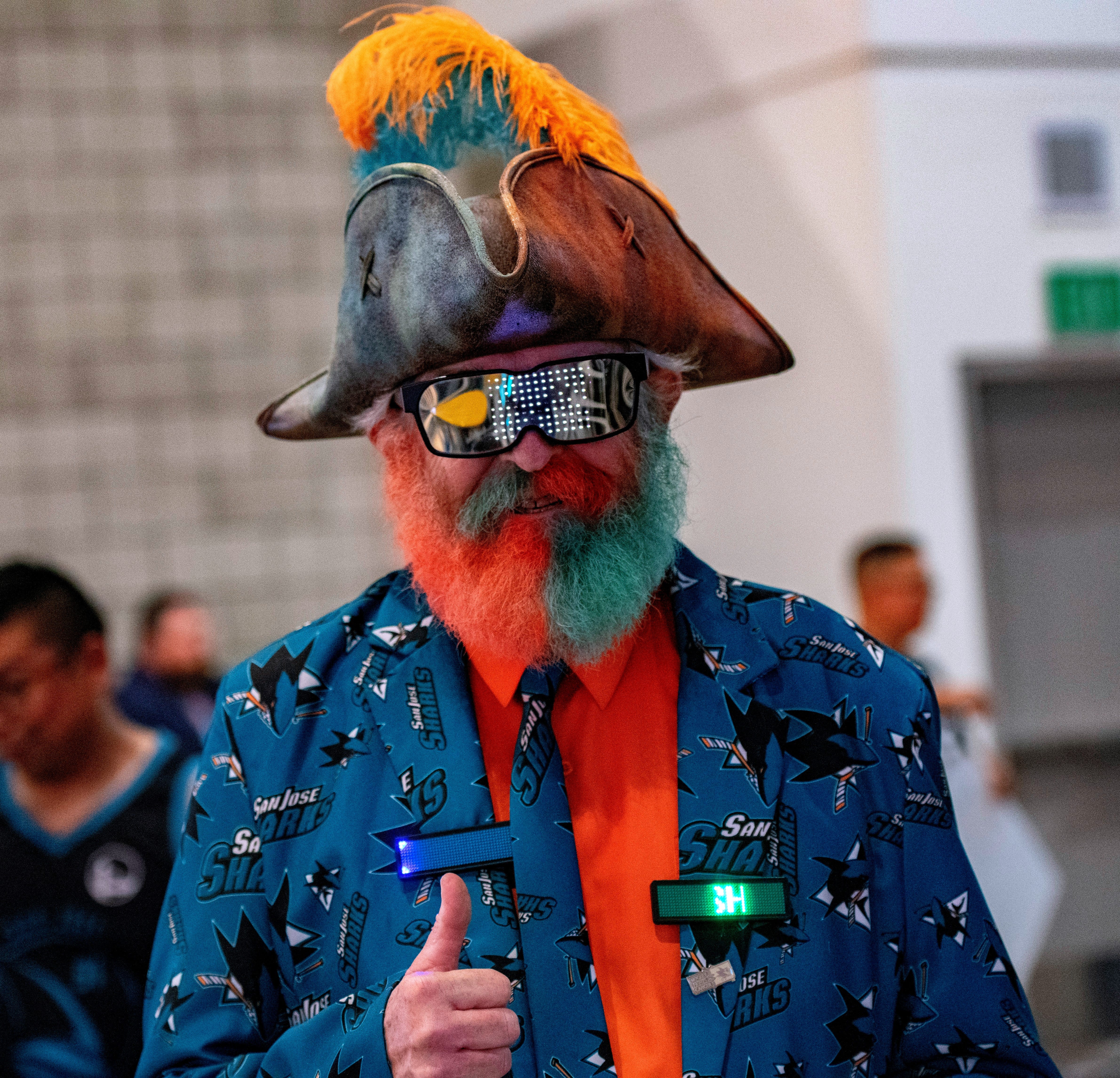
A few weeks ago I was chatting through an event a dear friend is putting on.
The gathering is a big tech shindig for both software developers and software purchasers.
We were throwing around ideas for something I bump into, and hear, all the time:
the challenge of designing for multiple, very different audiences within the same event
I think often we, as the caring empathic intentional experience designers we are, will fixate on how we can super specifically and intentionally design for the divergent needs of each different audience segment.
Software developers need X, while IT directors need Y. Let’s make sure each can get what they need!
And yes, this is far better than trying to do lowest-common-denominator design and create something generic enough to meet all the needs at the same time.
But it can also miss a big set of opportunities.
Most of us are continually put into the same box. Of our one most obvious or “relevant” identity.
And so we end up constantly playing that same role. Reinforcing in ourselves those same mindsets, behaviors, skills, and positions.
CEOs are in charge and make decisions. Interns get coffee and do unimportant, low stakes tasks. Artists make art. Women take care of everyone. Men fix stuff.
But we are all complex, multi-faceted people. And getting to flex different sides of ourselves, those rarely given oxygen and airtime, can radically change an experience, for the better.
For the participants—because they will actually be awake. Rather than lulled to sleep by being the same person they are always only allowed to be. And with regards to the impact—because what emerges, live, from the experience, is far more likely to be interestingly emergent.
So what if, instead of reinforcing those usual roles, this time you switched them up?
Asked yourself: What role do these folks never get to play, how might I let them try on that hat for a change?
In this case…
The engineers are always put in build build build mode. And not seen as folks who can sit at the strategy level, or have the visibility or long-horizon thinking capacity. And the IT buyers are put in charge of strategy and purchasing and systems design, but aren’t often seen or empowered as hands-on builders.
But what would happen if the engineers were invited to dream the big, bold, long-term dreams, and the IT directors were invited to get their hands dirty?
What latent creativity might emerge out of the unexpected reshuffling?
Look — yes, we still need to design for their emotional needs. And I’m not saying that you should make people do things they hate or make them inappropriately uncomfortable.
But some novelty in how they are allowed to participate can go a huge way towards designing an experience that folks actually remember.
And giving people permission to step in, in ways they normally aren’t allowed? It will, without a doubt, lead you somewhere beautiful.
Your assignment, should you choose to play:
What’s an upcoming experience you’re building that includes divergent audiences?
Rather than reinforcing their existing roles, how could you help folks get to show up, in ways that feel outside the norm?
What new hats might you invite them each to put on?
Most warmly yours, Olivia
Upcoming Studio Shenanigans:
✨ [FREE] Workshop: Design for Feelings
📆 Wednesday August 5th, 10:00 - 11:00 am PT
Feelings are the foundation for every experience we design. And so understanding the nuance under language — the specificity and divergence of the human experience, is one the most fundamental skills of experience designers.
Join us Wednesday August 5th for “Design for Feelings” — a sweet hour where we take a single feeling and dive deep into the moments, flavors, and textures of how it shows up in our lives.
No pressure to make anything good or beautiful. But always a good and beautiful time.
This is the workshop that birthed my entire studio. We’re on episode 53. Come join the party.
🧠 [CLUB] Workshop: “Autobiographical Memory; Designing for How We (Re)Understand Ourselves”
📆 Wednesday August 12th, 9 - 10:30 am PT
One of the most powerful moments you can design into any experience is one where your people’s understanding of themselves changes.
Autobiographical memory is the term for the points in time that anchor our stories of self. That most strongly define who we are, inside our own heads.
This month in The Good Chaos Club, we’re diving into how, exactly, we might design these moments.
In this hands-on “Creative Gym” workshop, you’ll take a real experience you’re currently working on, and design in some new, high-leverage elements that could change everything for who your people understand themselves to be.
Join The Good Chaos Club (just $47/month) for access to the live session, the downloadable tools, and the recording.
Plus, when you join you get access to all the other goodies in the Club — all the past recordings, monthly inspo drops, discounted coaching, and early access and member pricing for upcoming studio offers.